Unacceptable Cat Behaviors: Aggression, Litter Box, More
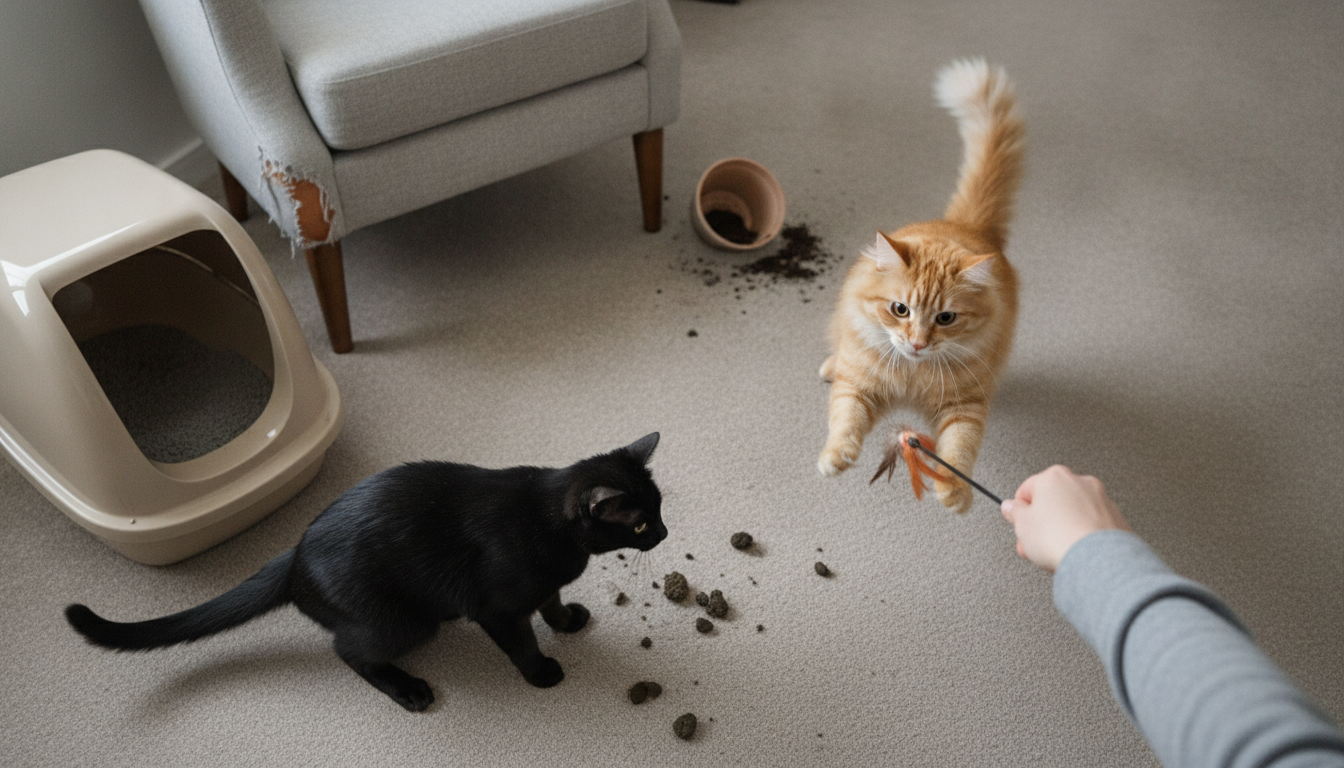
What are unacceptable behaviors in cats?
“Unacceptable” cat behavior usually means actions that are unsafe, destructive, or chronically disruptive in a home. It’s important to separate true behavior problems from normal feline instincts (scratching, hunting, hiding) that simply need better outlets. Many issues improve once the trigger is addressed—pain, stress, boredom, conflict with another pet, or an unsuitable litter setup. For a deeper look at reading pet temperament and behavior signals, visit this guide to decoding dog and cat behavior.
Aggression that causes injury
Biting or scratching hard enough to break skin, ambushing feet, or attacking guests isn’t something to “wait out.” Sudden aggression can signal medical pain (dental disease, arthritis), fear, or overstimulation. Any escalation—especially toward children—deserves prompt veterinary guidance and a safety plan (separate spaces, controlled interactions).
Inappropriate elimination (peeing/pooping outside the litter box)
Urinating on beds, couches, or walls is one of the most common deal-breakers, but it’s often a symptom, not spite. Medical causes (UTIs, urinary crystals, constipation) must be ruled out quickly. Behavior causes include dirty boxes, wrong litter texture, poor box locations, bullying by another pet, or stress from routine changes.
Destructive scratching without redirection
Scratching is normal, but repeated damage to furniture, doors, or carpets becomes unacceptable when the cat lacks appropriate scratch posts, surfaces, and placement. If scratching is paired with anxiety signs (overgrooming, hiding), focus on stress reduction and environmental enrichment, not punishment.
Chronic nighttime disruption that affects household health
Some cats are naturally active at dawn, but relentless yowling, knocking items down, or pouncing on sleepers every night can indicate boredom, hunger routines that reinforce wake-ups, or medical issues (thyroid disease in older cats). Adjust play/feeding schedules and confirm health concerns with a vet.
Excessive vocalization or stress behaviors
Persistent yowling, overgrooming to bald patches, or compulsive pacing can be signs of anxiety, cognitive changes, or discomfort. These behaviors are unacceptable mainly because they reflect poor welfare—addressing the underlying cause typically reduces the problem.
FAQ
How do you discipline a cat without punishment?
Use management and redirection: block access to problem areas, provide better alternatives (scratchers, toys, extra litter boxes), and reward the behaviors you want. Punishment often increases fear and can worsen aggression or litter box issues.












Leave a comment